
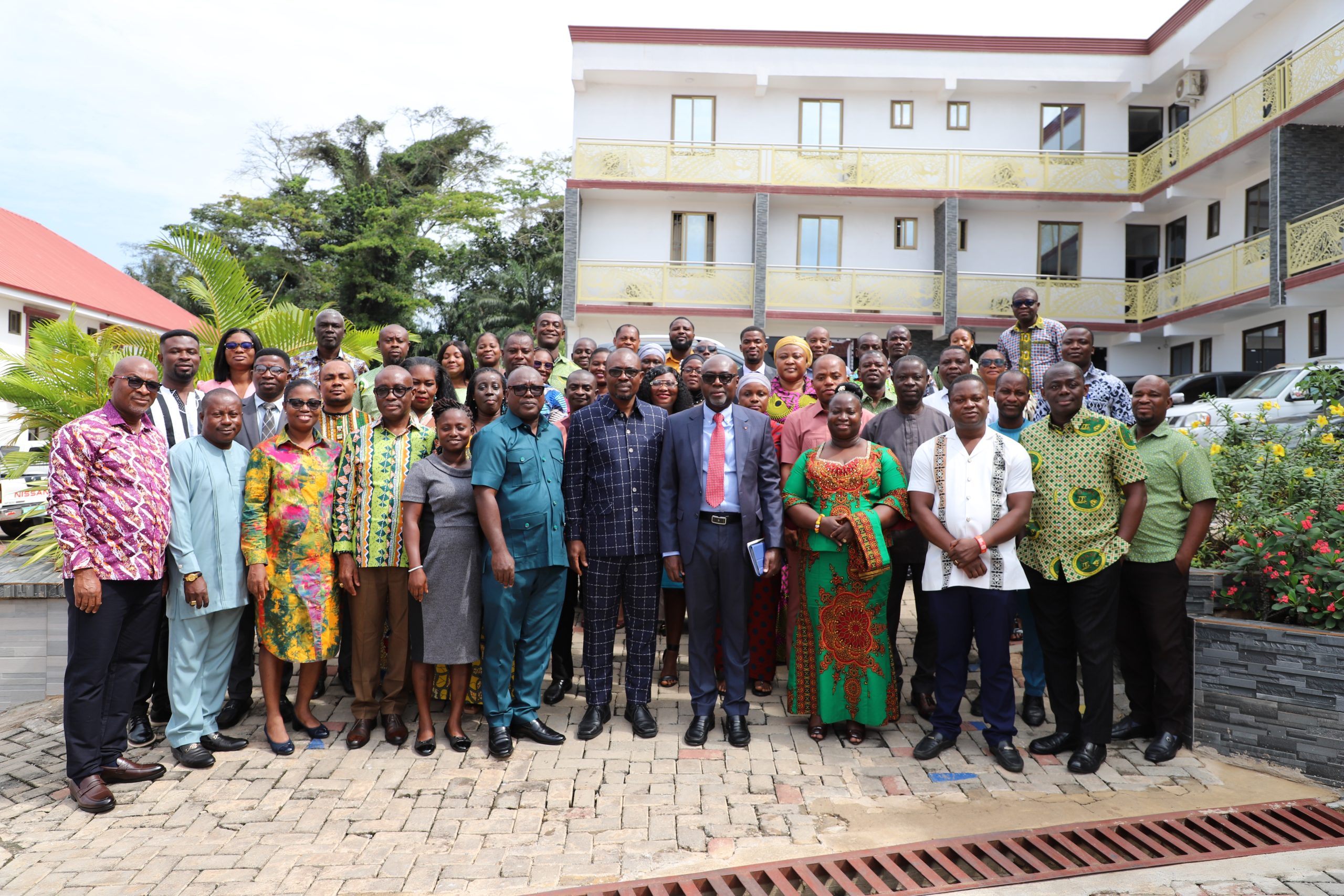
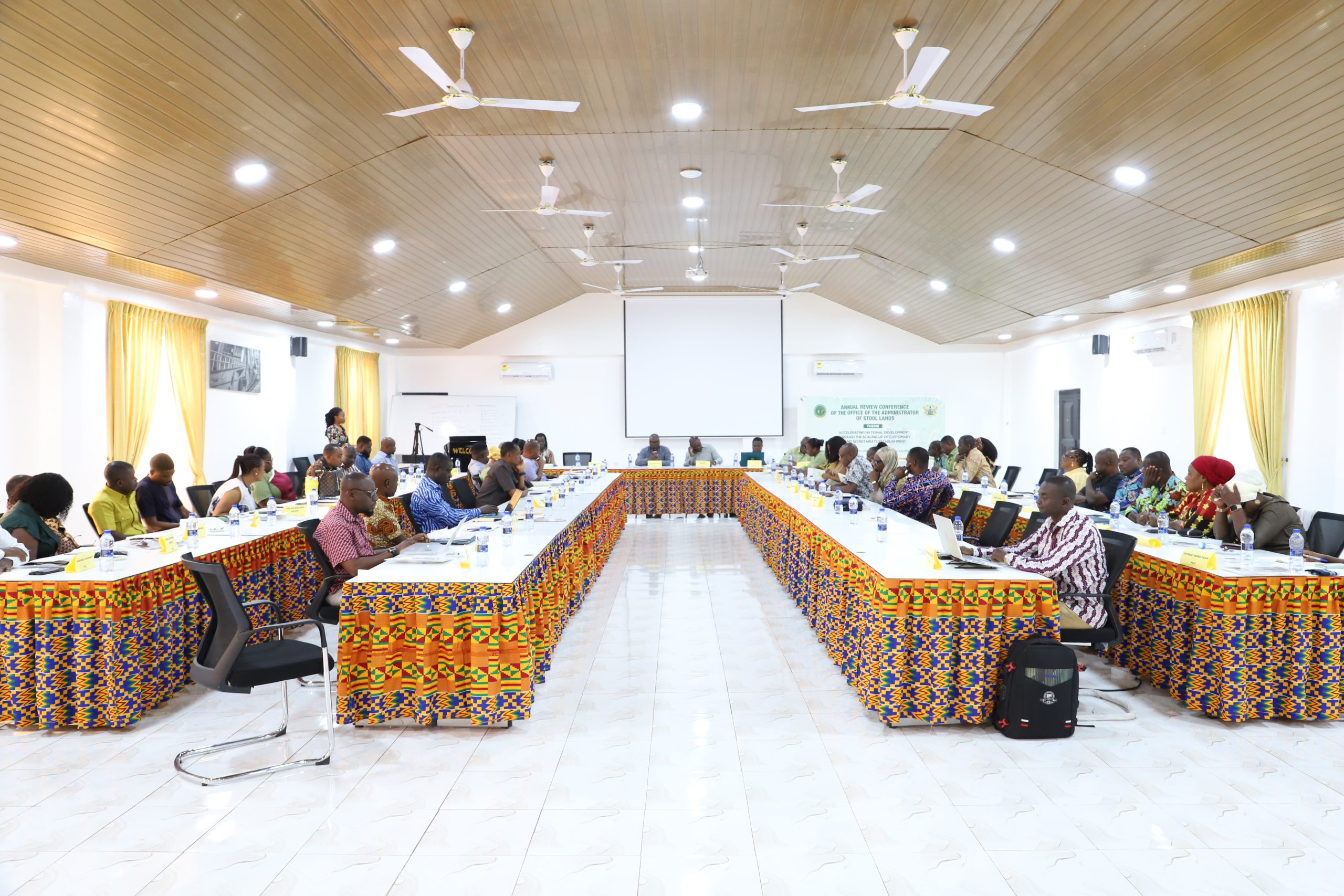
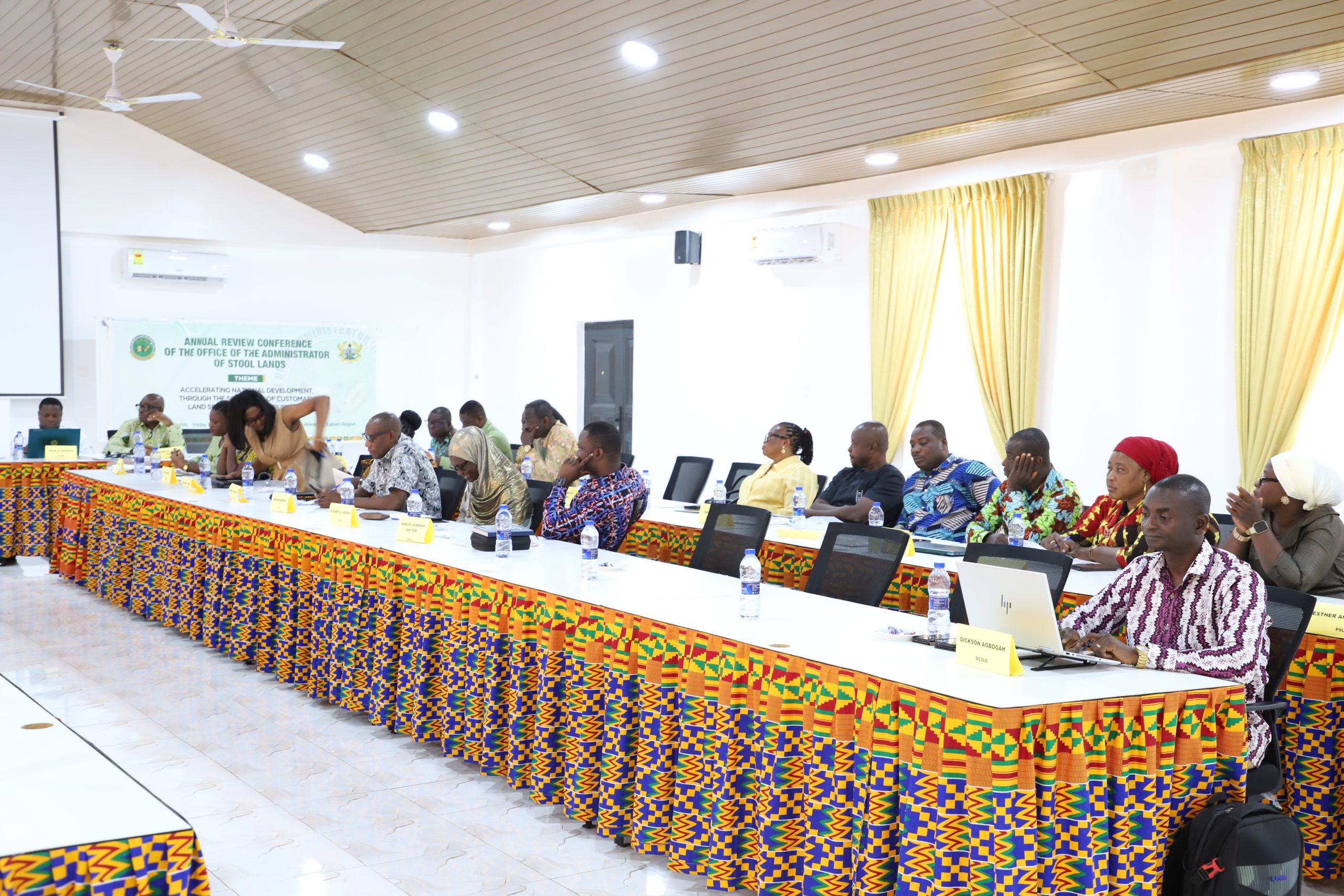
As part of its tradition, the Office of the Administrator of Stool Lands held its 2026 Annual Performance Review Conference in the Eastern Region, under the theme “Accelerating National Development through the scaling-up of Customary Land secretariats establishment.” The Conference aimed to assess and identify shortfalls, devise improvement strategies and set objectives and targets for the year. Additionally, it provided a platform to share insights on operational issues to help the Office achieve its targets.
Strategic Plan
Key discussions during the conference included the strategic plan of the Office, the 2026 Human Resource training plan, public education initiatives, yearly targets, audit matters. Participants engaged in fruitful deliberations to enhance the efficiency and effectiveness of the operations of the Office.
Special Significance
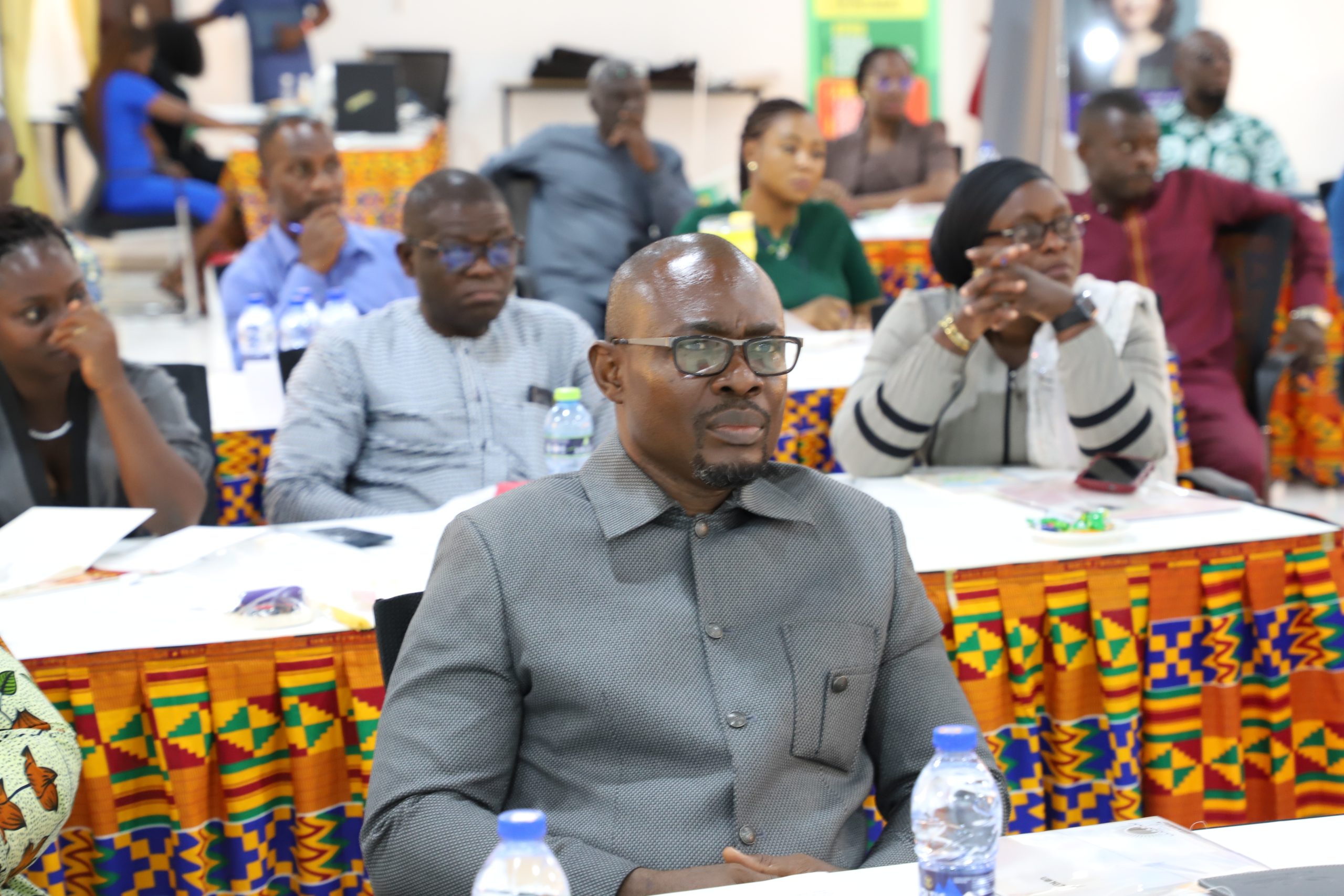
Welcoming and participants, the Administrator of Stool Lands, Dr. Gad Asorwoe Akwensivie said, “This conference holds special significance for me personally since my appointment as Administrator of Stool Lands in 2025 as this is my first opportunity to engage with you all at a national conference in person.
The venue is known for its calm atmosphere, rich cultural heritage and harmony between tradition and nature. Its serene environment provides an ideal setting for reflection, honest dialogue, and forward-looking deliberations. “As we gather here, we are reminded that our work as an institution is rooted in communities like Tutu; communities whose lands, traditions and future development we are mandated to protect and advance.
Much work Done
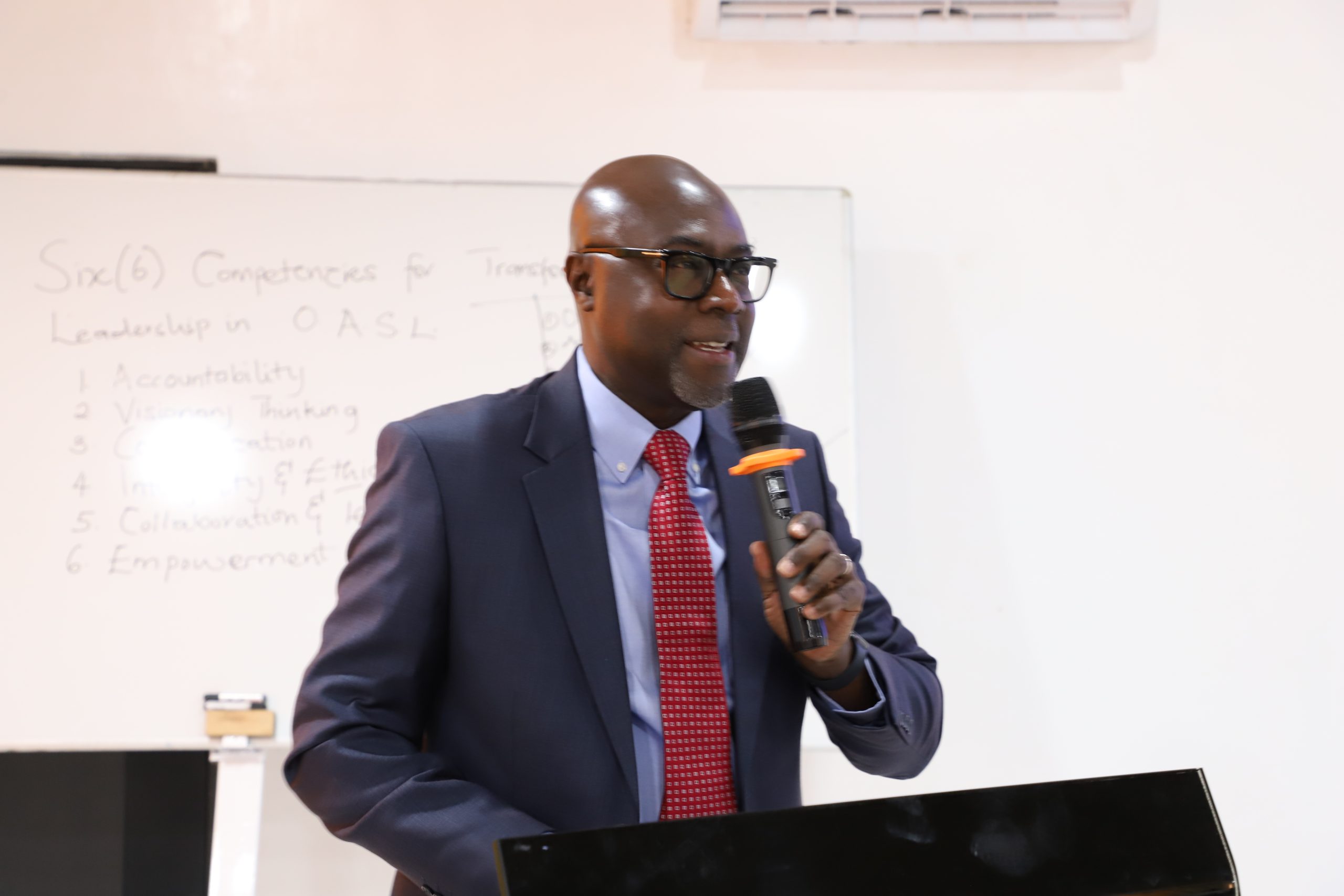
Addressing participants, the Administrator of Stool Lands, Dr. Gad Asorwoe Akwensivie said, “While much work has been done over the past year across our regions and departments, this conference represents more than a routine institutional meeting. It symbolizes renewed engagement, shared commitment, and a collective resolve to strengthen the Office for the years ahead.
The Office of the Administrator of Stool Lands plays a pivotal role in Ghana’s governance and development framework. Our mandate requires us to balance accountability, transparency, respect for traditional systems and the equitable distribution of stool land revenue for community development. This responsibility demands not only efficiency in operations but also clarity of vision and unity of purpose.
It is in this spirit that this conference has been structured to go beyond reporting and reflection. A key highlight of our time together will be the strategy development session, where participants will collaboratively assess our current position and contribute to shaping the future direction of the Office. This session is crucial as it will allow us to collectively define our priorities, strengthen institutional systems, and align our operations with emerging challenges and opportunities in land administration”.
The Minister’s Committment
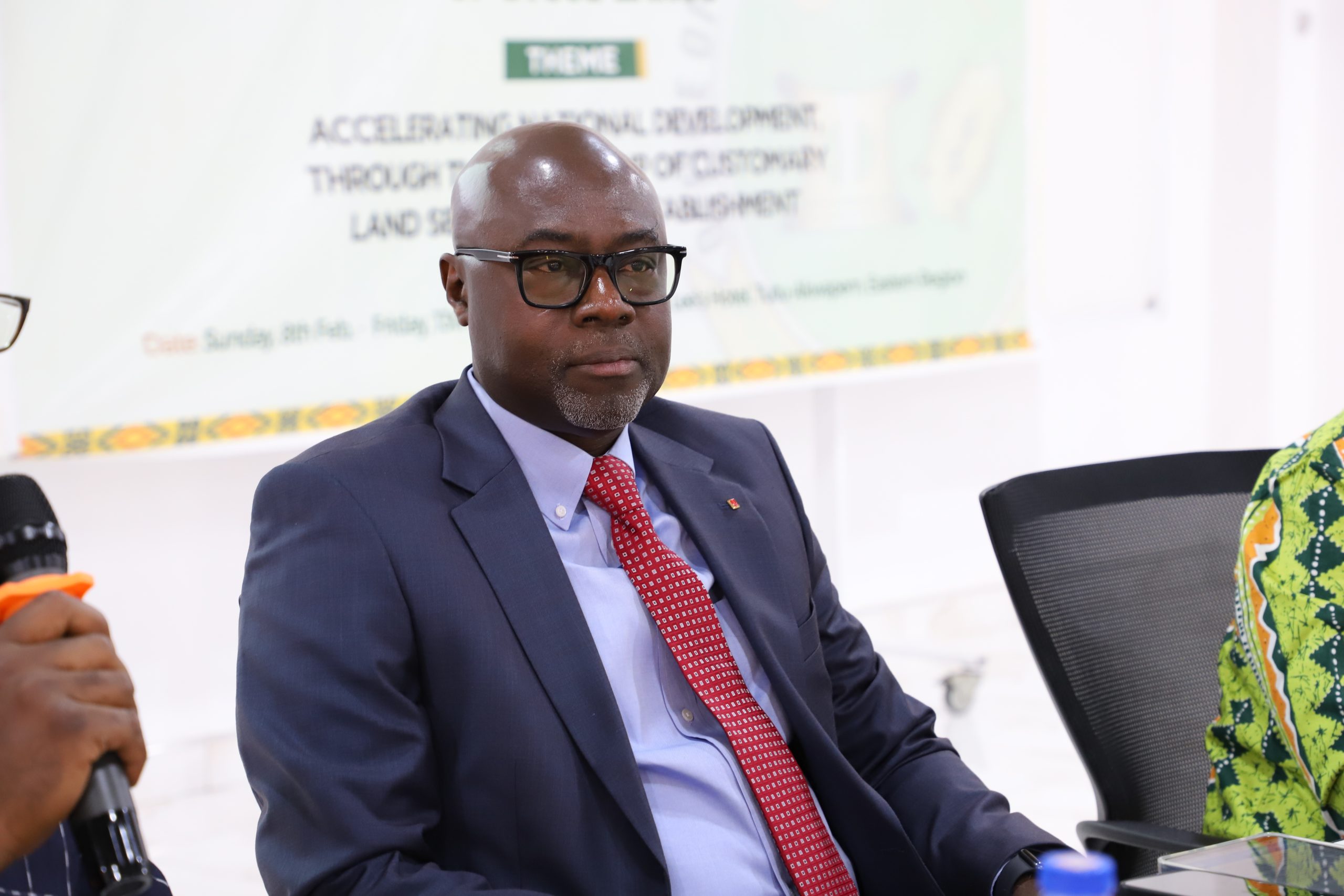
In a speech, delivered on behalf of the Minister for Lands and Natural Resources, Surv. Jones Ofori Boadu, Technical Director for Lands, commended the leadership and staff of the office for convening the forum which provides and opportunity for institutional reflection, strategic alignment and goal setting to enhance service delivery in the year 2026.The theme for this years conference, “Accelerating National Development through the scaling-up of Customary Land secretariats (CLS) establishment.” is particularly relevant in the context of Government ongoing land sector reforms.
It strengthens the central role of customary lands administration in Ghana’s development agenda. The Government’s commitment to strengthening land governance is clearly articulated in the National Land policy and operationalized through the land act, 2020, act 1036. The act provides a comprehensive legal framework for land administration in Ghana and places strong emphasis on transparency, accountability, decentralization and efficient management of customary lands.
The Office of the Administrator of Stool Lands and Lands Commission under section 14 of the lands act 1036, and collaborate in the establishment of customary lands secretariats across the country and I will urge you to seriously embark on this agenda.
CLS, a key policy Intervention
In extension of these objectives, the establishment of CLSs remains a key policy intervention originally introduced under the Land Administration Project (LAP) being LAP 1 and LAP 2 and now fully mainstreamed into National Land Administration structures.
CLSs are intended to improve record-keeping, reduced land disputes, enhanced revenue mobilisation and promote orderly land development at the local level. As you are aware, approximately 80% of the landmass in Ghana is held under customary turner. This reality highlights the strategic importance of the Office of the Administrator of Stool Lands in ensuring the equitable collection, management and disbursement of stool land revenue in accordance with article 267 of the 1992 constitution and relevant statutory provisions. The Government’s broader development agenda including the decentralization policy framework recognizes land as a critical enabler of local economic development by scaling-up the establishment and functionality of the CLSs, OASL directly contributes to local governance, infrastructure development and improve livelihood within stool lands areas.
CLS, a key policy Intervention
In addition the Ministry’s land sector digitalization agenda including the automation of land records and improved data management presents new opportunities for office of the Administrator of Stool Lands and CLSs to enhance efficiency, accuracy and public confidence in land administration. He mentioned that, the office must align its operations with these digitization efforts to improve service delivery and reduce delays.The annual review conference which brings together key staff from the head office and regional offices is therefore a timely platform to review performance, assess compliance and policy and legal mandate and set realistic measurable and result oriented targets for this year.
He further urged the Office to prioritize capacity building, internal controls, stakeholder engagements and interagency collaborations particularly traditional authorities who are your major stakeholders, Metropolitan Municipal and District Assemblies and other land sector agencies. These partnerships are essential for the successful implementation of Government policies at the grassroot level.
Surv. Boadu took the opportunity to acknowledge the indispensable role of our traditional authorities whose leadership and cooperation are fundamental to effective customary land administration. Strengthening trust and collaboration between OASL, CLSs and traditional institutions will ensure that land governance promote peace, investment and inclusive national development and assured participants of government’s continued support for the Office of the Administrator of Stool Lands as it discharges its constitutional and statutory mandate.
Recent Comments